
Best Strains for Sleep: Your Guide to Restful Nights
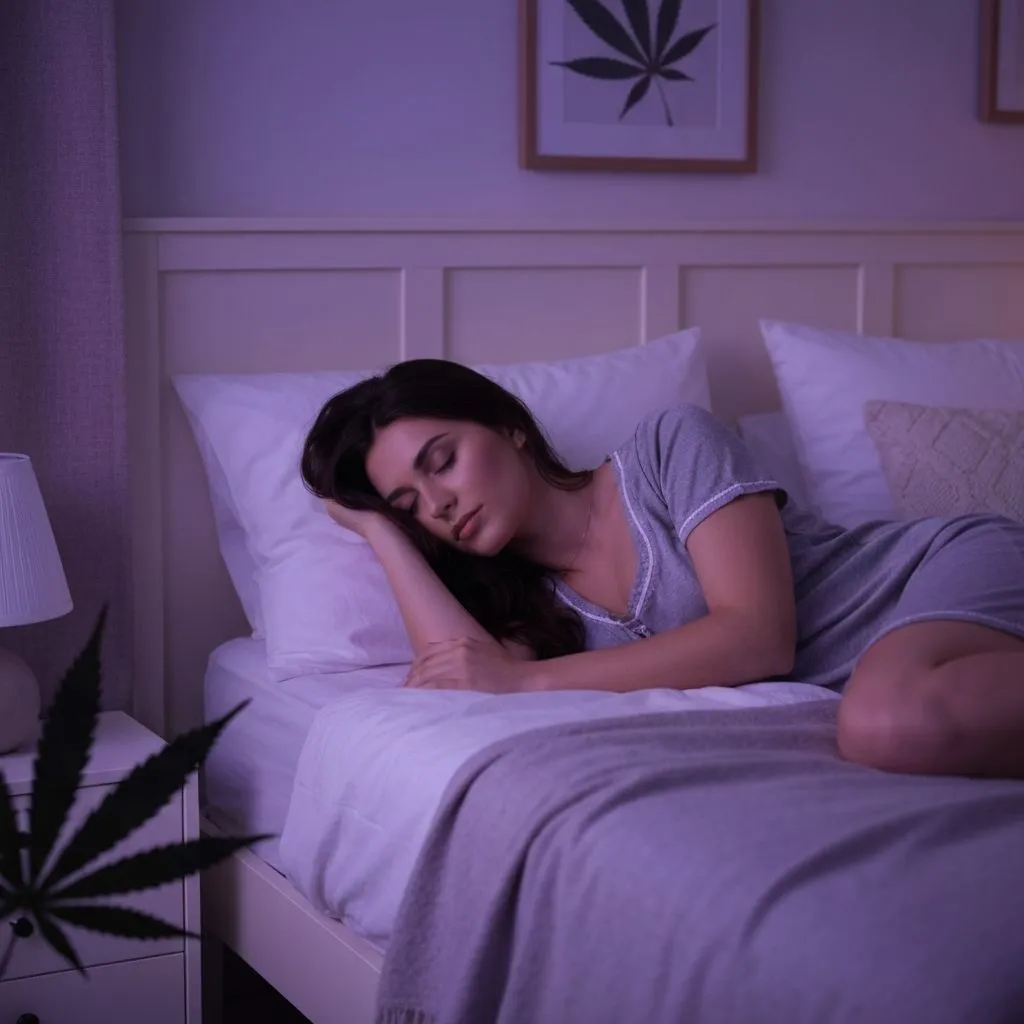
A good night's sleep is the foundation of well-being, and cannabis has been used for centuries to help people unwind and drift off. Whether you're dealing with occasional restlessness, fighting the dreaded 3 a.m. wake-up, or just looking to upgrade your bedtime routine, the right strain can make all the difference between a so-so night and the kind of deep sleep that has you bouncing out of bed in the morning.
But cannabis isn't a one-size-fits-all sleep solution. The strain you choose, the dose, the consumption method, and even the timing of your evening session all play a role. This guide walks through everything our Earth to Sky budtenders recommend to customers looking for better sleep — from the science of why certain strains knock you out to the specific cultivars worth asking for by name.
Why Indica? Understanding the Indica/Sativa Sleep Connection
The classic wisdom is simple: indica for night, sativa for day. While modern cannabis science has shown that the picture is more nuanced than that, the rule of thumb still holds up surprisingly well for most consumers. Indica-dominant strains tend to deliver heavier, body-centered effects — the kind of relaxation that softens muscle tension, slows racing thoughts, and gently pulls you toward sleep.
What's actually responsible for that effect isn't just the indica label, though. It's the combination of cannabinoids and terpenes the plant produces — and those happen to cluster more often in indica genetics. THC plays the leading role, but the supporting cast of minor cannabinoids and terpenes is what shapes whether you feel uplifted or sedated.
The Terpenes That Make You Sleepy
Terpenes are the aromatic compounds that give each strain its distinctive smell and flavour, and they have a powerful influence on the overall effect. When you're shopping for a sleep strain, three terpenes are worth knowing by name.
- Myrcene — the most common terpene in cannabis, also found in mangoes, lemongrass, and hops. It has an earthy, musky aroma and is strongly associated with the heavy, couch-lock effects that make a strain a great sleep companion. Many of the most popular nighttime strains test high in myrcene.
- Linalool — the same floral terpene that gives lavender its calming scent. Strains high in linalool tend to feel mellow, peaceful, and gentle. It's especially valued by people who struggle with anxious thoughts at bedtime.
- Caryophyllene — a peppery, spicy terpene that interacts with the body's CB2 receptors. It's not sedating in the same way as myrcene, but it can help calm physical discomfort that interferes with sleep.
When you read a strain's terpene profile (or ask a budtender about it), look for varieties where myrcene or linalool sits at the top of the list. That's usually a good sign you're holding a sleep-friendly strain.
Strain Recommendations
Here are some of the most consistently recommended sleep strains, many of which we stock at both our Trail and Sooke locations.
- Granddaddy Purple — a classic indica with a grape-and-berry aroma and deeply relaxing, body-heavy effects. A reliable choice for nights when sleep feels just out of reach.
- Pink Kush — a BC favourite with sweet, vanilla notes and a slow, full-body relaxation that creeps up on you. Excellent for unwinding after a stressful day.
- Bubba Kush — an old-school indica with sweet, earthy, slightly coffee-like flavours and a tranquil body high that's perfect for the last hour before bed.
- Northern Lights — one of the most legendary sleep strains of all time. Piney, sweet, and reliably sedating.
- Death Bubba — for those nights when nothing seems to work. A heavy hitter best reserved for experienced consumers.
What About CBD?
For lighter sleep support — or for anyone who finds THC too intense — a balanced THC:CBD strain or a CBD-dominant product can be a game-changer. CBD doesn't sedate the way THC does, but it can dial down the anxious chatter that keeps you awake. Many people find that a 1:1 ratio gives the best of both worlds: enough THC for body relaxation, plus the calming, non-intoxicating support of CBD.
CBD oils and capsules taken about an hour before bed are a low-effort, low-commitment way to experiment. Start with 10–25mg and adjust from there.
Timing and Dose
When you consume matters almost as much as what you consume. Smoking or vaping flower hits within minutes, with peak effects in 30–60 minutes — convenient for fine-tuning, but the effects fade in a few hours, which can mean a 3 a.m. wake-up.
Edibles take 30 to 90 minutes to come on but can last 6 to 8 hours, which lines up beautifully with a full night's sleep. The catch is dosing: start with 2.5–5mg if you're new to edibles, and never re-dose because "it isn't working yet." Patience is the whole game with edibles.
Tinctures land somewhere in between — sublingual drops kick in within 15–45 minutes and last 3–6 hours, making them a versatile middle ground.
Building a Sleep Routine
Cannabis is one piece of the puzzle, not the whole picture. The strains and products above work best when they're paired with the basics of good sleep hygiene: a consistent bedtime, a dark and cool bedroom, no screens for the last 30 minutes, and a wind-down routine that signals to your body that the day is done.
Some of our customers find that a small ritual — a cup of caffeine-free tea, a few pages of a book, and a low-dose edible — works better than any single strain ever could on its own.
Come See Us
Sleep is personal. What works for one person may feel too heavy or too light for another. The fastest way to find your match is to come in and chat with our budtenders at Earth to Sky in Trail or Sooke. Tell us what hasn't worked, what you're hoping to feel, and we'll point you toward something worth trying. Sweet dreams.